Wear parts
Belts, chucks, grippers, rollers, sensors and feed components should be checked before they cause downtime.
Aftercare and uptime
Capping machine reliability depends on good setup, routine inspection, correct wear parts and operators who understand the closing process.
Specification focus
Capper maintenance should focus on cap grip, torque repeatability, bottle handling, cap feeding and safe access to change parts.
Belts, chucks, grippers, rollers, sensors and feed components should be checked before they cause downtime.
Clear settings and training reduce variation between shifts and products.
Routine cleaning and adjustment help prevent cap jams and misfeeds.
Related equipment
These pages help compare the main bottle capping machinery routes before requesting a detailed quotation.

Related equipment
Specification, installation, training, spares and aftercare for bottle capping machinery.
Photograph of capping equipment on a bottle conveyor; the complete line scope is confirmed during quotation.
View related page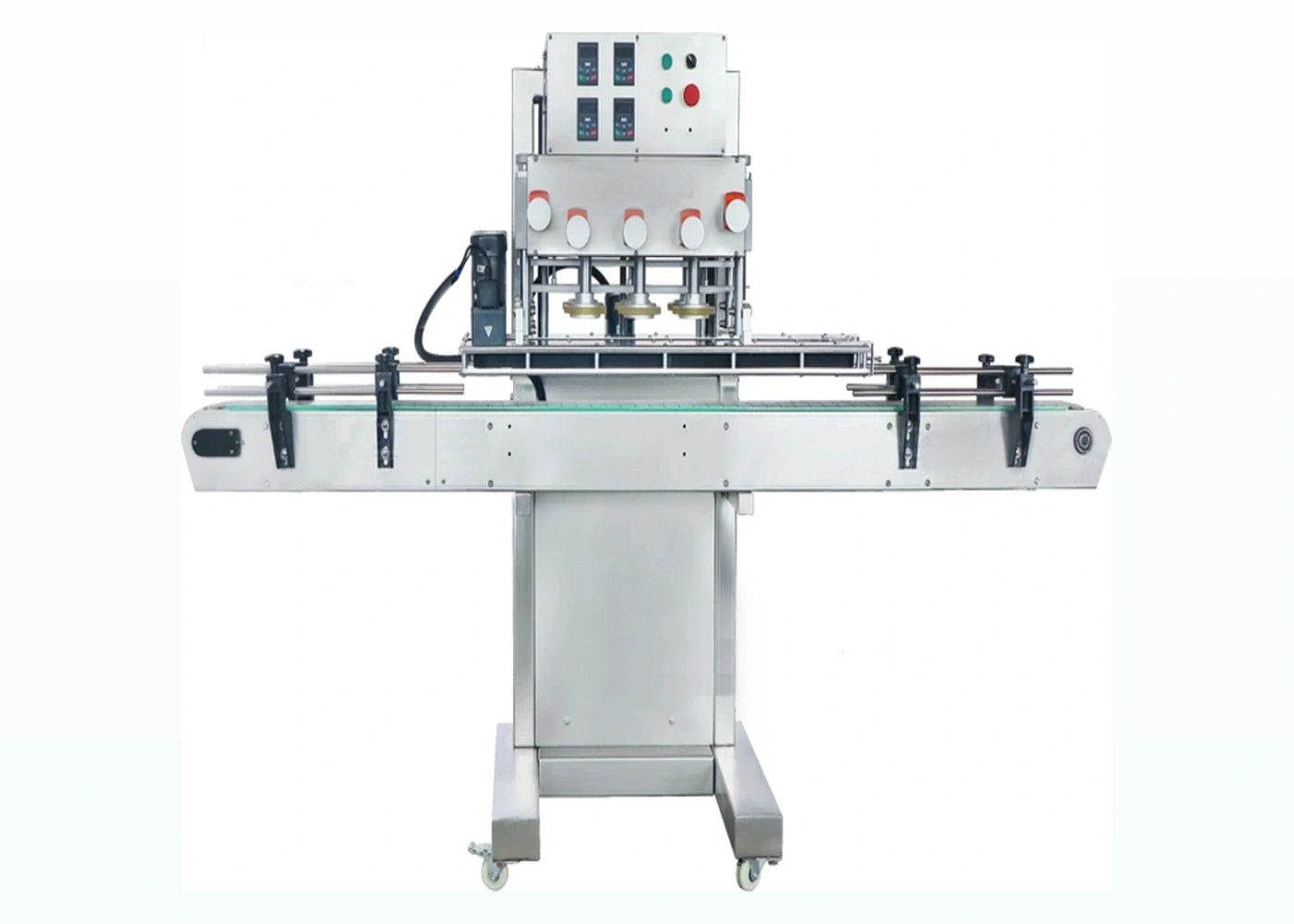
Related equipment
Capping machines specified around repeatable torque, cap profile and bottle stability.
Catalogue photograph; the required configuration is confirmed during quotation.
View related page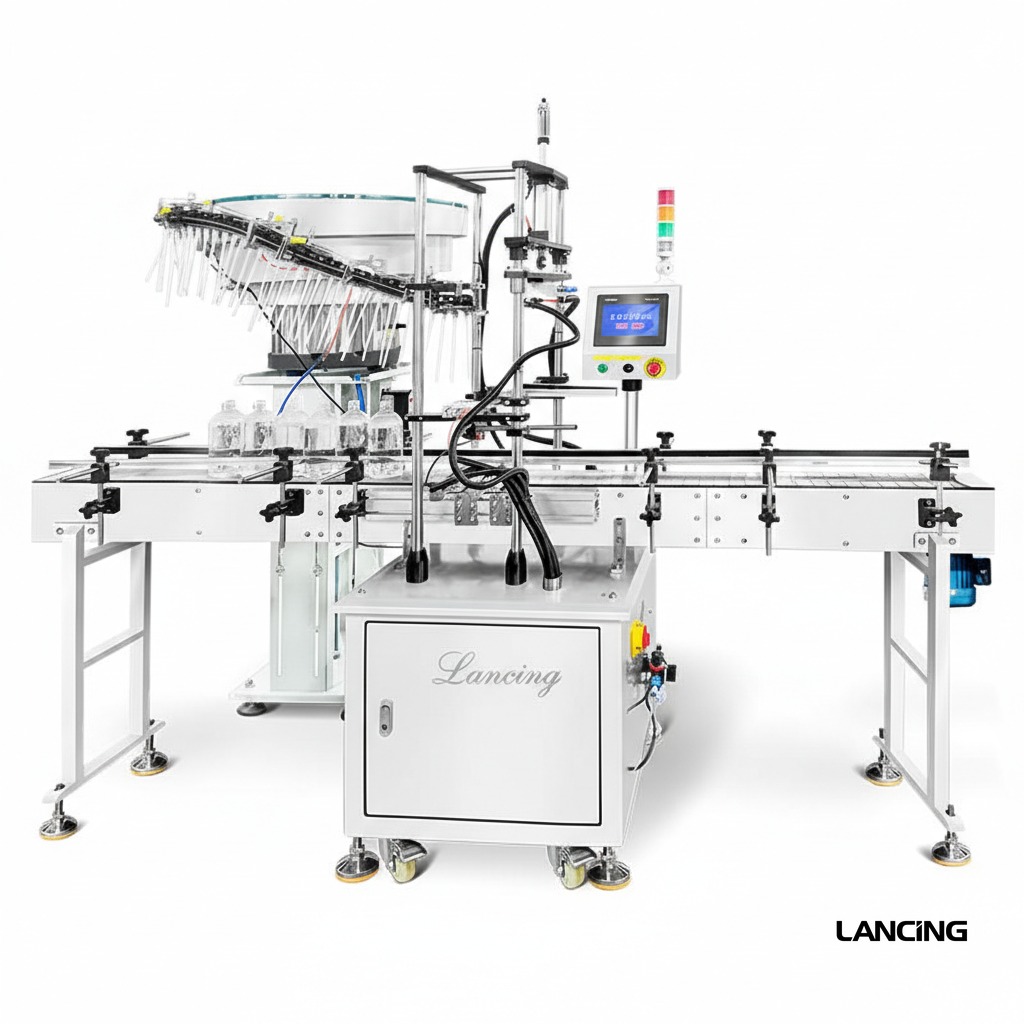
Related equipment
Cap elevators, sorting bowls and closure handling systems matched to automatic bottle cappers.
Catalogue photograph; the required configuration is confirmed during quotation.
View related pageProject checklist
Accurate bottle, cap and line information reduces the risk of choosing a capper that looks suitable online but fails in production.
| Area | What to check |
|---|---|
| Machine history | Age, model, current issues and production pattern. |
| Spare parts | Critical wear items and lead times. |
| Symptoms | Loose caps, damaged caps, jams, inconsistent torque or bottle instability. |
| Training | Operator setup, cleaning and changeover procedure. |
Useful answers
These answers are designed to help production teams prepare a clearer enquiry before sample testing or quotation.
Inconsistent torque, increased jams, cap damage, bottle scuffing and frequent operator intervention are common signs.
Critical wear parts should be considered where downtime is costly or lead times are long.
Yes. Incorrect guides, torque settings, head height or cap feed setup can cause repeatable problems.
Yes. Good training helps operators spot problems before they become breakdowns or rejected batches.
Send bottle photos, cap samples, output target and line details so the right capper, cap feeder or complete bottle machinery route can be reviewed.
Keep a short fault record before requesting maintenance advice. Note the bottle and cap references, the last acceptable batch, the symptoms and whether the problem follows a changeover, material delivery or stoppage. Photograph a good pack beside an affected pack and retain labelled examples if practical.
Where information can be collected through the normal operating procedure, record the displayed settings and the point in the sequence where the fault appears. Avoid making several undocumented adjustments at once: the service enquiry is more useful when the sequence of observations and changes is clear.
Request the diagnostic scope, parts included, site attendance assumptions and any follow-up trial. Confirm availability and response arrangements for the particular machine rather than treating a general support statement as a guaranteed service level.