Repeatable tightening
Set and check torque to reduce variation between operators, batches and shifts.
Torque control
Torque controlled bottle cappers are specified when closure performance depends on applying repeatable tightening torque without damaging the cap, liner or thread.
Specification focus
Torque control should be considered alongside cap material, thread engagement, liner compression, bottle grip, fill product and how the customer will open the closure.
Set and check torque to reduce variation between operators, batches and shifts.
Correct tooling helps avoid damaged ribs, cracked caps, stripped threads or overtightened closures.
Grippers, belts or fixtures prevent bottle spin and deformation while torque is applied.
Relevant equipment
These machine families are commonly reviewed when specifying torque controlled cappers for repeatable screw-cap application.
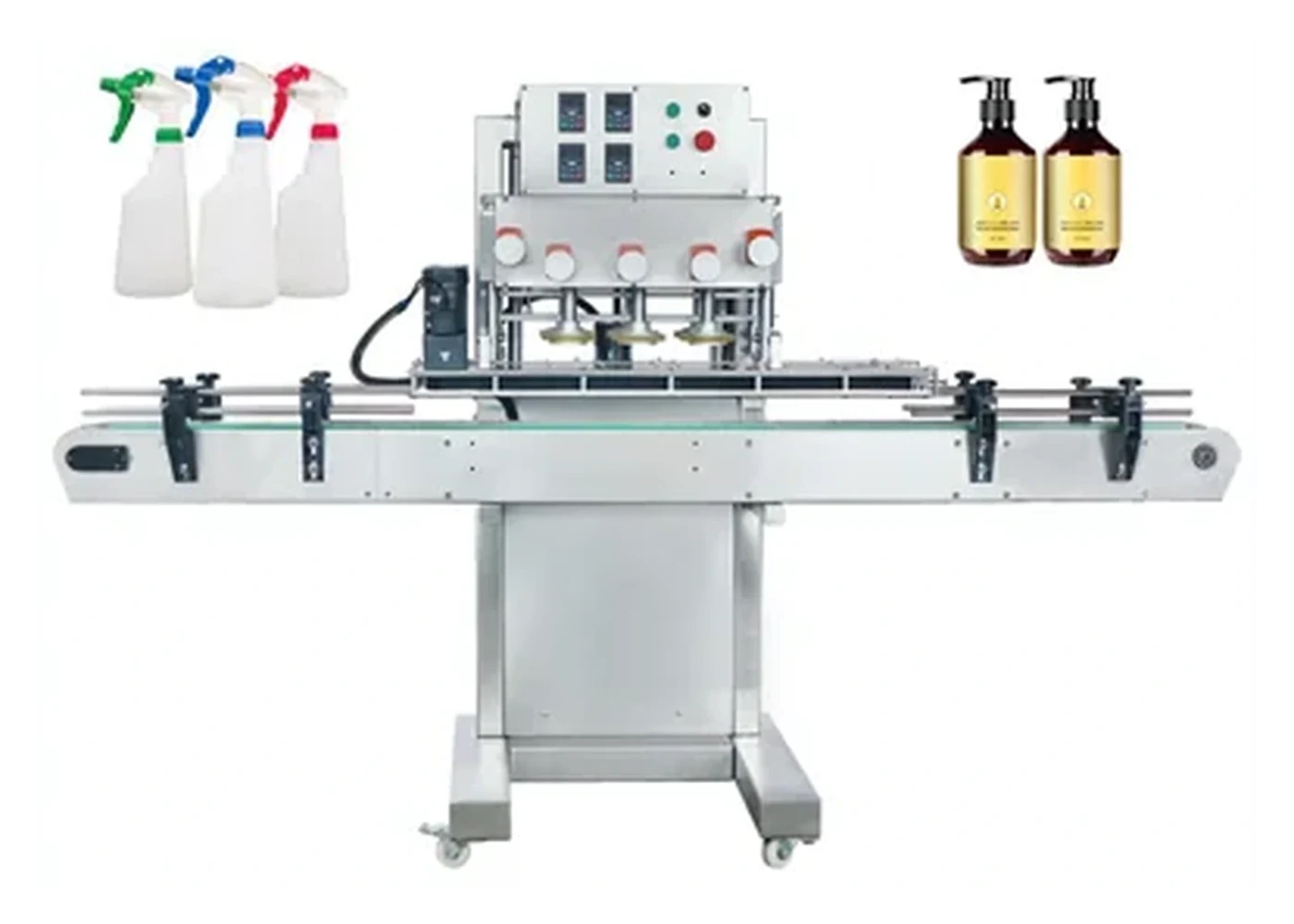
Automatic cappers
Inline cap tightening and cap feeding for higher-volume production.
Catalogue photograph; the required configuration is confirmed during quotation.
More about this machine familyScrew cappers
Torque-controlled tightening for threaded plastic and metal closures.
Catalogue photograph; the required configuration is confirmed during quotation.
More about this machine family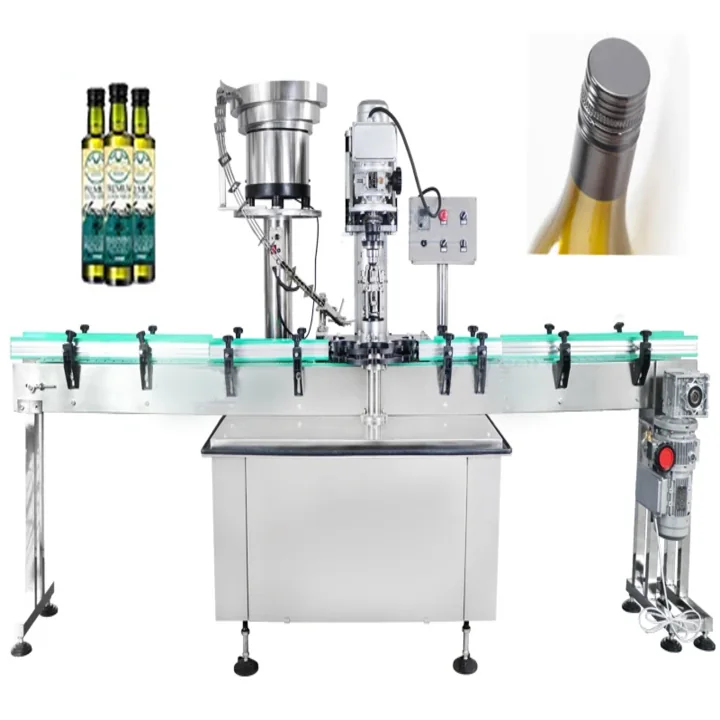
ROPP cappers
Roll-on pilfer-proof sealing for aluminium closures and glass bottles.
Catalogue photograph; the required configuration is confirmed during quotation.
More about this machine familyBuying checks
Accurate bottle machinery selection depends on the closure, bottle neck, bottle shape, fill product, speed target and the amount of manual handling that can remain in the process.
| Check | Why it matters | Details to send |
|---|---|---|
| Torque range | The machine must operate within a useful range for the closure. | Target torque, test results or supplier recommendation. |
| Cap material | Plastic, metal, lined and decorated closures behave differently under torque. | Cap samples and cap material details. |
| Thread quality | Thread start and bottle neck finish affect cross-threading and final tightness. | Bottle drawings, samples and neck finish. |
| Quality checks | Production may need torque checking, sampling routines and documented settings. | Current QC process and batch requirements. |
More bottle capper pages
Use these crawlable pages to narrow the bottle capping machine route before sending samples or a project enquiry.
Inline cappers for higher output lines with cap feeding, conveyor control and repeatable tightening.
View pageBench and floor standing cappers for batch work, sampling rooms and controlled manual loading.
View pageChuck-head tightening for threaded caps where grip, cap profile and torque consistency matter.
View pageMachines for tightening screw caps, rework, batch production and improving closure repeatability.
View pageCappers for ROPP, tamper bands, pilfer-proof closures and controlled seal presentation.
View pageCappers for lotion pumps, sprays, trigger closures, flip tops and personal care containers.
View pageBottle capping lines for household, industrial and chemical products with robust cap handling.
View pageCapping machinery for oils, sauces, drinks, glass bottles, plastic bottles and closures.
View pageHealthcare and technical bottle capping with repeatability, hygiene and line integration in mind.
View pageContinuous bottle cappers for conveyors, cap feeders, automatic tightening and integrated production flow.
View pageFAQs
Cap torque affects leak resistance, tamper performance, customer opening experience and consistency across production batches.
It can reduce problems when paired with good cap placement and bottle control, but cap and neck compatibility must be checked.
Often yes, especially when cap diameter, cap height or bottle size changes.
Sample testing is recommended so the capper, chuck or tightening method can be matched to real bottles and caps.
Send bottle and cap details, line speed target and photographs of the current production area. Lancing can advise on the most suitable bottle capping machine, cap feeder or complete line route.